Sunday, June 01, 2014

EWG's Guide to Safer Cell Phone Use: Cell Phone Radiation Damages Sperm, Studies Find

EWG's Guide to Safer Cell Phone Use: Cell Phone Radiation Damages Sperm, Studies Find

AUGUST 27, 2013
EWG Science Review

Cell Phone Radiation Damages Sperm, Studies Show

Phones Carried on Belt or in Pants Pocket May Harm Reproductive Health

Although most scientific and public attention on the issue of the safety of cell phone radiation has focused on evidence suggesting an increased risk of brain tumors (Baan 2011), a little-noticed but growing body of research points to a new concern – sperm damage (La Vignera 2012).
In a comprehensive review of the published scientific literature, the Environmental Working Group found 10 human studies that have identified a startling variety of changes in sperm exposed to cell phone radiation. In the most striking findings, men who carried their phones in a pocket or on the belt were more likely to have lower sperm counts and/or more inactive or less mobile sperm. These findings accord with similar results in laboratory animals.
Collectively, the research indicates that exposure to cell phone radiation may lead to decreases in sperm count, sperm motility and vitality, as well as increases in indicators of sperm damage such as higher levels of reactive oxygen species (chemically reactive molecules containing oxygen), oxidative stress, DNA damage and changes in sperm morphology (see summary below).
Many men who talk on a cell phone using a Bluetooth device or other headset keep the phone in a pants pocket or clipped to a holster. This exposes their reproductive organs to cell phone radiation, and several studies have found lower sperm count and/or poorer sperm quality in men who use their phones this way than in those who do not.
Scientists have yet to identify a mechanism by which cell phone use might cause such effects (Makker 2009). However, the research appears to rule out the possibility that the changes are caused by simple heating, which is considered to be a possible source of some radiofrequency radiation-related health problems (De Iuliis 2009; Volkow 2011).
The findings are particularly significant in light of the fact that infertility affects approximately 15 percent of couples of reproductive age, and nearly half of these cases are linked to male fertility (Sharlip 2002). The number and consistency of the findings raise the possibility that cell phone radiation could be contributing to this significant public health problem and demand further investigation.
Studies linking cell phone exposure to harmful effects on sperm have been done in the United States, Australia, Austria, Hungary, Poland, Turkey and South Africa, using diverse methodologies. In some, scientists compared sperm counts and sperm health in men who wore cell phones on the hip with those who carried them elsewhere on the body or did not use cell phones at all. In others, researchers exposed sperm to cell phone radiation under laboratory conditions. In still others, scientists examined whether there was a correlation between sperm health and the intensity of cell phone use among men undergoing evaluation for infertility.
Among the findings:
  • Men who carried a phone in a hip pocket or on the belt had 11 percent fewer mobile sperm than men who kept a phone elsewhere on the body (Kilgallon 2005).
  • Men who carried a cell phone on the belt and used it intensively during a five-day test period had a 19 percent drop in highly motile sperm from their previous levels (Davoudi 2002).
  • Men who talked on the phone for more than an hour a day had 17 percent fewer highly motile sperm than men who talked less than 15 minutes a day (Fejes 2005).
Laboratory studies on the effects of cell phone radiation on rats, rabbits and other animals have found similar effects on reproductive health (Kesari 2011; Mailankot 2009).
All these studies found statistically significant correlations between cell phone radiation and sperm health, and many found that the adverse changes increased with the amount of radiation exposure. Opinions differ as to the possible mechanism by which cell phone radiation might produce these changes (Falzone 2010).
A number of research papers include unambiguous statements on the potential of cell phone radiation to affect men's reproductive health:
  • “Keeping the cell phone in a trouser pocket in talk mode may negatively affect spermatozoa and impair male fertility” (Agarwal 2009).
  • “Use of cell phones decreases the semen quality in men by decreasing the sperm count, motility, viability and normal morphology. The decrease in sperm parameters was dependent on the duration of daily exposure to cell phones and independent of the initial semen quality” (Agarwal 2008).
  • “These findings have clear implications for the safety of extensive mobile phone use by males of reproductive age, potentially affecting both their fertility and the health and wellbeing of their offspring” (De Iuliis 2009).
  • “Overall, these findings raise a number of related health policy and patient management issues that deserve our immediate attention. Specifically, we recommend that men of reproductive age who engage in high levels of mobile phone use do not keep their phones in receiving mode below waist level” (De Iuliis 2009).
  • “Our results showed that cell phone use negatively affects sperm quality in men… Men with poor sperm quality planning for pregnancy should be advised not to use cell phones extensively” (Gutschi 2011).
  • “The results show that human spermatozoa exposed to RF-EMR have decreased motility, morphometric abnormalities and increased oxidative stress, whereas men using mobile phones have decreased sperm concentration, motility…, normal morphology, and viability. These abnormalities seem to be directly related with the length of mobile phone use” (La Vignera 2012).
Given the backdrop of increasing infertility rates (Swan 2006), the research findings should be a wake-up call to male cell phone users who are trying to have children or may want to in the future.
Even as scientists continue to gather new data on health risks from cell phone radiation, the findings underscore that consumers should practice simple, precautionary safe-cell-phone-use habits, such as keeping the phone away from the body, in order to protect their health and fertility. Men, in particular, should avoid carrying a cell phone on the belt or in a pants pocket when in use.

What About Women's Health?

There are no published studies examining the effect of cell phone radiation on reproductive health in women. Such studies are much more difficult to carry out, since they often require invasive techniques. However, several recent articles suggested that cell phone radiation might be harmful to the developing fetus. For example, a 2009 study in Turkey found that after pregnant rats were exposed to cell phone radiation for 15 minutes twice a day during the entire gestation period, their female pups had fewer ovarian follicles (Gul 2009). A 2012 study by researchers at the Yale University School of Medicine found that mice exposed to cell phone radiation during gestation were hyperactive and had impaired memory (Aldad 2012).
There have been similar findings in two human studies. UCLA researchers reported that cell phone exposure during pregnancy and after birth was associated with behavioral problems in young children (Divan 2008; Divan 2012). This line of research is just beginning, but a recent review article emphasized that cell phone radiation might impact reproduction and development in both men and women (Merhi 2011).
Table: Peer-reviewed studies of the effects of cell phone radiation on male reproduction
ReferenceStudy designFindingType of exposure
Davoudi M, Brossner C, Kuber W. 2002. The influence of electromagnetic waves on sperm motility. Journal für Urologie und Urogynäkologie 19: 19-22.Semen analysis for 13 male volunteers who carried a cell phone on the belt and actively used it for 5 days.Compared to a period of cell phone use on the belt by the same volunteers, cell phone use was associated with decreased sperm motility. The percentage of highly motile sperm (classified as "rapid progressive sperm") dropped from a mean of 32% to a mean of 26% after the exposure.GSM phone; study participants used phones for at least 6 hours/day.
Fejes I, Zavaczki Z, Szollosi J, Koloszar S, Daru J, Kovacs L, et al. 2005. Is there a relationship between cell phone use and semen quality? Arch Androl 51(5): 385-93.Semen analysis for 371 men who attended an infertility clinic in 2002-2004.Low-volume cell phone users (less than 15 minutes a day) had a higher percentage of rapid progressive motile sperm (48.7%) than high-volume (more than one hour a day) cell phone users (40.6%).Pattern of use identified by a questionnaire, including duration of phone possession and frequency of daily use.
Kilgallon SJ, Simmons LW. 2005. Image content influences men's semen quality. Biol Lett 1(3): 253-5.Analysis of sperm samples from 52 healthy men aged 18-35.Men who carried a cell phone in a hip pocket or on the belt had lower sperm motility (49.3% motile sperm) than men who did not use a cell phone near the hip (55.4% motile sperm).Questionnaire responses identified men who carried a cell phone in a hip pocket or on the belt, non-users and those who kept a phone elsewhere.
Erogul O, Oztas E, Yildirim I, Kir T, Aydur E, Komesli G, et al. 2006. Effects of electromagnetic radiation from a cellular phone on human sperm motility: an in vitro study. Arch Med Res 37(7): 840-3.Semen samples collected from 27 men exposed to cell phone radiation under laboratory conditions.Exposed specimens had a decrease in rapid progressive sperm from 13% to 9%; a decrease in slow progressive sperm from 44% to 34% and an increase in immotile sperm from 36% to 51%.Test specimens were exposed for 5 minutes to GSM cell phone radiation at 900 MHz.
Wdowiak A, Wdowiak L, Wiktor H. 2007. Evaluation of the effect of using mobile phones on male fertility. Ann Agric Environ Med 14(1): 169-72.Sperm parameters examined in a group of 304 males enrolled at an infertility clinic in 2004-2006.16.7% of regular cell phone users had normal semen morphology, compared to 55.6% of non-users. In 35% of frequent cell phone users, sperm motility dropped by up to a half; only 9% of non-users had comparable decreases in sperm motility.Based on questionnaire responses, 99 participants were classified as cell phone non-users; 157 had used GSM phones sporadically for 1-2 years; and 48 had used cell phones regularly for more than 2 years.
Agarwal A, Deepinder F, Sharma RK, Ranga G, Li J. 2008. Effect of cell phone usage on semen analysis in men attending infertility clinic: an observational study. Fertil Steril 89(1): 124-8.Sperm parameters examined in 361 men undergoing infertility evaluation in 2004-2005Patients who used cell phones more than 4 hours a day had a 42% lower sperm count and 33% lower sperm motility than non-users. The percentage of sperm with normal morphology in high-level users was half that of non-users. Rates of normal morphology were decreased with greater levels of cell phone use.Based on questionnaire responses, cell phone exposure was classified in four groups: no use; less than 2 hours/day; 2-4 hours/day; and more than 4 hours/day.
Agarwal A, Desai NR, Makker K, Varghese A, Mouradi R, Sabanegh E, et al. 2009. Effects of radiofrequency electromagnetic waves (RF-EMW) from cellular phones on human ejaculated semen: an in vitro pilot study. Fertil Steril 92(4): 1318-25.Semen samples collected from 23 normal healthy donors and 9 infertile patients were exposed to cell phone radiation under laboratory conditions.Semen samples exposed to cell phone radiation showed a significant drop in sperm motility (52% to 49%) and viability (59% to 52%); nearly doubled production of reactive oxygen species levels; and a decrease in total antioxidant capacity, a measure of oxidative stress.Samples exposed for 1 hour to radiation from GSM cell phone in talk mode at 850 MHz frequency.
De Iuliis GN, Newey RJ, King BV, Aitken RJ. 2009. Mobile phone radiation induces reactive oxygen species production and DNA damage in human spermatozoa in vitro. PLoS One 4(7): e6446.Purified human sperm from 22 healthy donors were exposed to cell phone radiation under laboratory conditions.Exposed sperm samples showed lower sperm motility and vitality, production of reactive oxygen species and DNA fragmentation. At SAR of 1.0 W/kg sperm, motility decreased from 86% in unexposed sperm to 68%; vitality decreased from 89% to 65%.Samples were exposed to 1800 MHz radiation at a range of SAR values from 0.4 W/kg to 27.5 W/kg for 16 hours, at a constant temperature of 210C to rule out thermal effects.
Falzone N, Huyser C, Becker P, Leszczynski D, Franken DR. 2011. The effect of pulsed 900-MHz GSM mobile phone radiation on the acrosome reaction, head morphometry and zona binding of human spermatozoa. Int J Androl 34(1): 20-6.Purified human sperm collected from 12 healthy volunteers were exposed to cell phone radiation under laboratory conditions.Cell phone radiation exposure appeared to affect sperm's fertilization potential. Exposed sperm's head area dropped by 50%. Sperm-oocyte interaction was decreased by 28% compared to unexposed controls.Samples were exposed for 1 hour to 900 MHz GSM mobile phone radiation at SAR of 2.0 W/kg.
Gutschi T, Mohamad Al-Ali B, Shamloul R, Pummer K, Trummer H. 2011. Impact of cell phone use on men's semen parameters. Andrologia: 43(5): 312-6.Analysis of semen samples from 2,100 men seen at an infertility clinic in 1993-2007.68% of the sperm from cell phone users had pathological morphology, compared to 58% of sperm from non-users. Abnormal sperm morphology diagnosed in 45% of cell phone users versus 27.7% of non-users.Retrospective study compared 991 cell phone users and 1,119 non-users identified via questionnaire responses.
References
Agarwal A, Deepinder F, Sharma RK, Ranga G, Li J. 2008. Effect of cell phone usage on semen analysis in men attending infertility clinic: an observational study. Fertil Steril 89(1): 124-8.
Agarwal A, Desai NR, Makker K, Varghese A, Mouradi R, Sabanegh E, et al. 2009. Effects of radiofrequency electromagnetic waves (RF-EMW) from cellular phones on human ejaculated semen: an in vitro pilot study. Fertil Steril 92(4): 1318-25.Aldad TS, Gan G, Gao XB, Taylor HS. 2012. Fetal radiofrequency radiation exposure from 800-1900 mhz-rated cellular telephones affects neurodevelopment and behavior in mice. Sci Rep 2: 312.Baan R, Grosse Y, Lauby-Secretan B, El Ghissassi F, Bouvard V, Benbrahim-Tallaa L, et al. 2011. Carcinogenicity of Radiofrequency Electromagnetic Fields. Lancet Oncology 12(7): 624-26.Davoudi M, Brossner C, Kuber W. 2002. The influence of electromagnetic waves on sperm motility [in German, “Der Einfluß elektromagnetischer Wellen auf die Spermienmotilität”]. Journal für Urologie und Urogynäkologie 9(3): 18-22.De Iuliis GN, Newey RJ, King BV, Aitken RJ. 2009. Mobile phone radiation induces reactive oxygen species production and DNA damage in human spermatozoa in vitro. PLoS One 4(7): e6446.Divan HA, Kheifets L, Obel C, Olsen J. 2008. Prenatal and postnatal exposure to cell phone use and behavioral problems in children. Epidemiology 19(4): 523-9.Divan HA, Kheifets L, Obel C, Olsen J. 2012. Cell phone use and behavioural problems in young children. J Epidemiol Community Health 66(6): 524-9.Erogul O, Oztas E, Yildirim I, Kir T, Aydur E, Komesli G, et al. 2006. Effects of electromagnetic radiation from a cellular phone on human sperm motility: anin vitro study. Arch Med Res 37(7): 840-3.Falzone N, Huyser C, Franken DR, Leszczynski D. 2010. Mobile phone radiation does not induce pro-apoptosis effects in human spermatozoa. Radiat Res 174(2): 169-76.Falzone N, Huyser C, Becker P, Leszczynski D, Franken DR. 2011. The effect of pulsed 900-MHz GSM mobile phone radiation on the acrosome reaction, head morphometry and zona binding of human spermatozoa. Int J Androl 34(1): 20-6.Fejes I, Zavaczki Z, Szollosi J, Koloszar S, Daru J, Kovacs L, et al. 2005. Is there a relationship between cell phone use and semen quality? Arch Androl 51(5): 385-93.Gul A, Celebi H, Ugras S. 2009. The effects of microwave emitted by cellular phones on ovarian follicles in rats. Arch Gynecol Obstet 280(5): 729-33.Gutschi T, Mohamad Al-Ali B, Shamloul R, Pummer K, Trummer H. 2011. Impact of cell phone use on men's semen parameters. Andrologia 43(5): 312-6.Kesari KK, Kumar S, Behari J. 2011. Effects of radiofrequency electromagnetic wave exposure from cellular phones on the reproductive pattern in male wistar rats. Appl Biochem Biotechnol 164(4): 546-59.Kilgallon SJ, Simmons LW. 2005. Image content influences men's semen quality. Biol Lett 1(3): 253-5.La Vignera S, Condorelli RA, Vicari E, D'Agata R, Calogero AE. 2012. Effects of the Exposure to Mobile Phones on Male Reproduction: A Review of the Literature. J Androl 33(3): 350-6.Mailankot M, Kunnath AP, Jayalekshmi H, Koduru B, Valsalan R. 2009. Radio frequency electromagnetic radiation (RF-EMR) from GSM (0.9/1.8GHz) mobile phones induces oxidative stress and reduces sperm motility in rats. Clinics (Sao Paulo) 64(6): 561-5.Makker K, Varghese A, Desai NR, Mouradi R, Agarwal A. 2009. Cell phones: modern man's nemesis? Reprod Biomed Online 18(1): 148-57.Merhi ZO. 2011. Challenging cell phone impact on reproduction: a review. J Assist Reprod Genet 29(4): 293-7.Sharlip ID, Jarow JP, Belker AM, Lipshultz LI, Sigman M, Thomas AJ, et al. 2002. Best practice policies for male infertility. Fertil Steril 77(5): 873-82.Swan SH. 2006. Does our environment affect our fertility? Some examples to help reframe the question. Semin Reprod Med 24(3): 142-6.Volkow ND, Tomasi D, Wang GJ, Vaska P, Fowler JS, Telang F, et al. 2011. Effects of cell phone radiofrequency signal exposure on brain glucose metabolism. Journal of the American Medical Association 305(8): 808-13.Wdowiak A, Wdowiak L, Wiktor H. 2007. Evaluation of the effect of using mobile phones on male fertility. Ann Agric Environ Med 14(1): 169-72.WHO (World Health Organization). 2011. IARC Classified Radiofrequency Electromagnetic Fields as Possibly Carcinogenic to Humans. Press Release # 208. 31 May 2011. Available: http://www.iarc.fr/en/media-centre/pr/2011/pdfs/pr208_E.pdf

http://www.ewg.org/cell-phone-radiation-damages-sperm-studies-find

Effects of mobile phone radiation (900 MHz radiofrequency) on structure and functions of rat brain.

 2014 May 26:1743132814Y0000000392. [Epub ahead of print]

Effects of mobile phone radiation (900 MHz radiofrequency) on structure and functions of rat brain.

Abstract

Objectives: The goals of this study were: (1) to obtain basic information about the effects of long-term use of mobile phone on cytological makeup of the hippocampus in rat brain (2) to evaluate the effects on antioxidant status, and (3) to evaluate the effects on cognitive behavior particularly on learning and memory. Methods: Rats (age 30 days, 120 ± 5 g) were exposed to 900 MHz radio waves by means of a mobile hand set for 4 hours per day for 15 days. Effects on anxiety, spatial learning, and memory were studied using open field test, elevated plus maze, Morris water maze (MWM), and classic maze test. Effects on brain antioxidant status were also studied. Cresyl violet staining was done to access the neuronal damage. Result: A significant change in behavior, i.e., more anxiety and poor learning was shown by test animals as compared to controls and sham group. A significant change in level of antioxidant enzymes and non-enzymatic antioxidants, and increase in lipid peroxidation were observed in test rats. Histological examination showed neurodegenerative cells in hippocampal sub regions and cerebral cortex. Discussion: Thus our findings indicate extensive neurodegeneration on exposure to radio waves. Increased production of reactive oxygen species due to exhaustion of enzymatic and non-enzymatic antioxidants and increased lipid peroxidation are indicating extensive neurodegeneration in selective areas of CA1, CA3, DG, and cerebral cortex. This extensive neuronal damage results in alterations in behavior related to memory and learning.

KEYWORDS:

Antioxidant enzymes,; Anxiety,; Behavior,; Lipid per oxidation ; Mobile radiations,; Neurodegeneration

Concerns over Wi-Fi Health Issues as Investigative Panel Challenged for Bias

Concerns over Wi-Fi Health Issues as Investigative Panel Challenged for Bias

Submitted by  on May 30, 2014 – 8:06 am
The topic is hotly debated, and the experts on both sides have studies to which they can point with some confidence that show ‘conclusively’ different results.
Nevertheless, many Canadians complain of illness or sickness due to wireless radiation from cell phones, cell towers, smart meters and Wi-Fi; they have formed advocacy groups, made presentations to official bodies and lobbied government for regulatory changes and reviews of Canada’s safety levels for microwave radiation exposure.
They’re concerned about electro sensitivity (ES), a descriptive term given to symptoms believed to be caused by exposure to electromagnetic radiation (EMR). Other names for ES are: Electro hypersensitivity (EHS), Electromagnetic Sensitivity (EMS), Electromagnetic hypersensitivity and EMF syndrome.
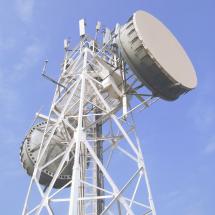
celllphone tower
Radio frequency emissions and Wi Fi signals cause health concerns
According to advocacy group Canadians for Safe Technology (C4ST), physical symptoms of ES can range from mild effects such as headache, nausea, tingling, skin reactions, anxiety, sleep disruption, and tinnitus (buzzing/ringing in the ears) to painful and severe effects such as neurological conditions; cardiovascular, hormonal, and blood sugar irregularities; seizures; paralysis; and stroke.
Frank Clegg, who ran Microsoft Canada for fifteen years, now runs C4ST (a volunteer organized group made up of concerned parents, citizens and former industry leaders). Clegg and the group say wireless devices are already affecting the health of Canadians, and that’s in spite of reports that dispute such claims.
But Clegg and his group have gone further, and they are critical of the very make-up and function of certain groups that research and report on the topic.
Clegg points to a recent Health Canada-initiated study, conducted by the Royal Society of Canada (RSC) and its assembled panel, to conduct a review of the 1979 Health Canada wireless radiation regulation,Safety Code 6, and the potential health risks of radiofrequency fields from wireless telecommunication devices.
“We have uncovered documents that prove Health Canada is controlling the so-called ‘independent’ safety review by the Royal Society of Canada,” Clegg stated. “Health Canada is ignoring the science that explains why some Canadians are getting sick from microwave radiation.”
The Royal Society panel has been dogged by criticism and controversy: its Chair Daniel Krewski resigned when a previously un-disclosed industry conflict came to light; two more scientists later resigned and were replaced.
Dr. Anthony B. Miller, professor emeritus at the University of Toronto’s Dalla Lana School of Public Health, was likewise critical. The panel included members with “major links to the telecommunications industry,” he said. “This is a conflicted panel, with insufficient expertise in epidemiology. It ignored recent evidence that wireless radiation is a probable carcinogen.”
As noted, Safety Code 6 was first written in 1979; the de facto guide for Wi-Fi safety in home, schools, businesses and public spaces schools was reviewed and updated in 1999, but not since then, despite the boom in use, application and saturation of wireless devices and infrastructure.
Interestingly and somewhat ironically in light of current disagreements, the 1999 Panel Report wrote of non-thermal RF related effects with some concern 15 years ago: “There are documented biological effects of RF fields even at low, non-thermal exposure levels, below Safety Code 6 exposure limits. … Some of these biological effects brought about by non-thermal exposure levels of RF could potentially be associated with adverse health effects.”
“This RSC review is an expensive exercise that was corrupted by industry and so is a waste of taxpayer dollars,” Clegg concludes. “(T)he panel contrived to ignore important medical and scientific data,” he adds pointedly.
Needless to say, when the panel finally released its review earlier this year,  many observers - including Clegg – were very disappointed, and their criticism was unabated.
So if the latest review of possible wireless radiation hazards is questionable, it’s understandable that some members of the public still have questions about the safe use of such technology. An organization should not be charged with investigating or reviewing itself, they say, and a truly independent, multi-disciplinary and fully transparent review of not just Canadian, but international wireless radiation standards, should be conducted.

submitted by Lee Rickwood

Saturday, May 31, 2014

Skin Cancer FM

Skin Cancer FM

In the 1950s many countries began to see a dramatic increase in the skin cancer melanoma. Professors Örgan Hallberg and Olle Johansson,* noted that the sharp upsurge of skin cancer had begun in 1955, around six years before flying off for a holiday in the sun became popular, and looked for other possible causes. Previous research suggested a link between the risk of developing melanoma and the distance people lived from FM radio transmitters, so they decided to research the link in more depth. [1]
Analysing data from Sweden, Norway, Denmark and the US, they found roughly similar experiences in all four countries:
  • The rolling out of FM transmitter towers led to the same increase in melanoma skin cancer after the same delay
  • The more FM transmitter towers in a country, the higher the levels of melanoma skin cancer
This finding was echoed in Australia, where a significant increase in melanoma skin cancer deaths between 1964 and 1967 corresponded with the introduction of high power TV antenna masts.
Örgan and Olle’s 2004 and 2005 studies confirmed these findings. [2,3] Focusing this time on melanoma skin cancer and what happened in the separate counties within Sweden, they discovered the same strong links. They also concluded that:
  • there was a stronger link between developing melanoma and exposure to electromagnetic waves from FM transmitter towers than with exposure to ultraviolet radiation
  • continuous disturbance of cell repair mechanisms by electromagnetic fields seemed to amplify the carcinogenic cell damage caused by other factors like ultraviolet radiation
Örgan and Olle also looked at the data for all cancer deaths in Sweden since 1912. This showed that:
  • rates started to increase in 1920 when medium wave radio was introduced
  • the rate of increase jumped significantly in 1955 when Sweden got FM radio and TV1
  • the rate jumped again in 1969-70 when TV2 and colour TV were brought in
  • the rate dropped sharply in 1978 when the use of the old AM broadcasting transmitter towers declined and
  • the rate started to increase again about 4-5 years later
They also noted a strong geographical relationship between transmitter towers and clusters of skin cancer and lung, breast and colon cancer.
Ed.- (i) As further evidence that the human body is affected by radio frequency electromagnetic fields (RF), Örgan and Olle cited1 the fascinating work by Augustsson and Stierner. [2,3] They recorded the locations of moles and melanoma on the bodies of hundreds of volunteers, then combined the results in a ‘dot density map’ and discovered that some locations were more popular than others. They then drew on the lines of the tiny electric currents generated in the body by exposure to RF and noted a strong overlap, suggesting a link.
Augustsson and Stierner also noted that the highest mole densities were found in areas that were not normally exposed to sunshine.
A copy of this article may be downloaded free of charge from websitewww.acnem.org/journal/211_april_2002/cancer_trends.htm
* from the Karolinska Institute’s Department of Neuroscience in Stockholm, Sweden
[1] Hallberg,Ö and Johansson,O.
Archives of Environmental Health 2002;57(1):32-40
[2] Hallberg,Ö and Johansson,O.
Medical Science Monitor 2004;10 (7):336-340
[3] Hallberg,Ö and Johansson,O.
Electromagnetic Biology and Medicine 2005;24:1-8
(11665) Nick Anderson. Green Health Watch
Skin cancer, cancer, FM transmitter, TV antenna masts, radio antennae masts - Skin Cancer FM - Green Health Watch Magazine 11665


Stealth base stations more damaging
Many of the box-shaped ‘microcell mobile phone base stations’ mounted on walls and lamposts continuously irradiate the public with as high levels of microwaves as the free-standing antennae mounted on church spires and school roofs (macrocell base stations). These ‘microcell’ base stations are typically positioned between three and six metres above the ground and are often disguised, e.g. as burglar alarms.
An NRPB (National Radiation Protection Board*) survey found that many of the microcell masts they tested exposed the public to microwave fields as strong as 5Volts per metre (5V/m). Their report also noted that “around 6% were radiating more than 5 watts”. The mobile network operators have also sometimes installed high-power ‘macrocell’ base stations at microcell sites. Their antennae often face domestic bedrooms and living rooms just across the street, causing the highest microwave irradiation of people: often between three and ten volts per metre.
Because ‘Microcell base stations’ blend in with the street and are less than ten metres above the ground, they do not require any planning permission or council consultation thanks to a ‘de minimus’ loophole in planning law. The term ‘de minimis’ comes from the Latin legal phrase ‘De minimis non curat lex’, which means ‘The law does not care about very small matters’. This shows official contempt for the widespread public concern about the potential adverse health effects. For most of us, being irradiated is not “a very small matter”. The mobile network operators have taken full advantage of the loophole. In one square quarter-of-a-mile in Soho, for instance, there are now 150 mobile phone base stations, 94 of which are less than 10 metres above the ground. The antennae often face bedrooms and living rooms just across the street continually irradiating people with far higher levels of microwaves than needed for the operation of a mobile phone network.
Although the UK Government has agreed to a precautionary approach in this matter but the maximum safe exposure levels they permit are nearly a hundred times higher than the 0.6 V/m precautionary principle ceiling recommended by Austria’s 1998 Salzburg Resolution nearly fifty and the 1.2 - 2.5V/m limits adopted in Paris. ‘Volts per metre’ is not a unit with which most people are familiar. If the Salzburg precautionary ceiling of 0.6V/m is seen in terms of risk as the ‘equivalent to’ a 30mph vehicle speed limit in residential areas, the Government 58V/m limit is obviously not at all precautionary - the equivalent to doing 2847 miles per hour in a residential area. Reckless might be a better description. Exposures from microcell base stations recorded in the survey show that many city dwellers are being continually exposed to risks equivalent of cars driving 147 to 500mph in built up areas.
Ed.- (i) Powerwatch has devised an index which gives a quick rule-of-thumb means of assessing base stations to check that the radiation is as low as possible. Visit website: www.powerwatch.org.uk/gen/lpamasts.asp
(ii) The mobile service operators had registered 5,008 such base stations by the end of 2004. There were almost certainly many more unregistered stations at that time ( they did not and still do not require planning permission), and there will certainly be considerably more (registered and unregistered) by now.
* On 1 April 2005 the National Radiological Protection Board merged with the UK’s Health Protection Agency, forming its new Radiation Protection Division. The Division continues to operate from the old NRPB headquarters at Chilton in Oxfordshire. Its contact details are now:
Health Protection Agency, Radiation Protection Division, Chilton, Didcot OX11 0RQ % 01235 831600
(11462) Alasdair Philips. Powerwatch U.K.
Skin cancer, cancer, FM transmitter, TV antenna masts, radio antennae masts - Stealth base stations more damaging - Green Health Watch Magazine 11462


Body sees electrosensitivity like radioactivity
In 2000, the Swedish health authorities recognised electromagnetic hypersensitivity (‘electrosensitivity’ or ES for short) as a physical illness, where exposure to electromagnetic fields (EMFs) can severely disrupt health. They estimate that 3% of their population is affected. The UK’s Radiation Protection Division has finally agreed to research the issue.
There is now ample evidence that exposure to EMFs can cause biological changes in the human body. Electrosensitivity expert associate professor Olle Johansson at Stockholm’s Karolinska Institute, for instance, has shown that it increases the number of mast cells near the surface of the skin, the same as occurs after exposure to radioactivity.
Electrosensitive people are likely to be affected by mobile phones and phone masts.
(11572) Nic Fleming. Daily Telegraph
Skin cancer, cancer, FM transmitter, TV antenna masts, radio antennae masts - Stealth base stations more damaging - Green Health Watch Magazine 11572

DEBUNKING THE UTILITY INDUSTRY MYTH ABOUT SMART METER SAFETY: THE ANTENNA EFFECT

DEBUNKING THE UTILITY INDUSTRY MYTH ABOUT SMART METER SAFETY:

THE ANTENNA EFFECT


The utility industry's argument that smart (AMR, ERT) meters are safe must be rejected, because it relies on FCC testing for radiofrequency (RF) interference, which is not a safety testing protocol, and flawed FCC radiation exposure guidelines.  The FCC testing for smart meters is done in an isolated laboratory, divorced from the context in which these meters are intended to be used, connected to the wiring in a home or business. 

We present below compelling technical and empirical proof that, when these meters are used as intended, they cause an antenna effect, inflicting great harm to occupants inside their homes and businesses.  When used as intended, smart meters that appear to be safe in the testing laboratory are lethal.

1.  An RF engineer's technical report confirms that smart meters cause an antenna effect when connected to electrical distribution systems, resulting in extraordinary RF exposures that are significantly higher than those reported in isolated laboratory testing.

Stop Smart Meters New York (SSMNY) hired an RF engineering firm named Isotrope "[t]o evaluate the devices in situ" and to make "a field survey of the various emissions of concern, employing an array of electronic test equipment."  Isotrope concluded, among other things, that the radiated- and conducted-emissions testing of electrical meters that was performed by the FCC "does not replicate actual conditions...." By contrast, when Isotrope tested a meter in usage as intended, connected to a home wiring grid, "the conducted emissions from the meter at 915 MHz ISM frequencies in a residence was observed to be substantial,"

This confirms what we refer to as the antenna effect of smart meters, which results in emissions that far exceed those reported when meters are tested in a laboratory setting, disconnected from wiring.  The Isotrope Report goes on to state that "if the 915 MHz conducted energy were to be held to the same standard as 30 MHz, the level of the 915 MHz conducted energy from the AMR meter would fail."

The Isotrope report thus substantiates that smart meters cause an extraordinary RF/MW antenna effect on electrical distribution systems when they are used as intended, rather than in the isolation of a testing laboratory.

See  Isotrope Report:


2.  The smart meter antenna effect results in injury to occupants of homes and business even where the meter is installed up to 150 feet away.

Many people are reporting becoming ill after smart meters, including AMR and ERT models, are installed on, in or near their homes and businesses.  Reported symptoms include heart palpitations and other cardiac problems, ringing in the ears, sleep problems, anxiety, headaches, nausea, recurrence of cancer and more.  These reports are too numerous and too consistent in nature to be dismissed as coincidental.

Where smart meters are installed up to 150 feet away from a home or business, the onset of these symptoms among occupants is attributable to the smart meter antenna effect.

SSMNY found evidence of the antenna effect when we visited the third floor apartment of a multi-family home in upstate New York where the residents, a mother and her daughter, have become very ill since their exposure to the RF/MW conducted then radiated emissions from a smart meter installed on the outside of the ground level of the building.  On one occasion when we tested the RF/MW emissions at the meter itself, they were low.  Nonetheless, our testing in a third floor bedroom confirmed the meter's antenna effect. In the bedrooms we measured levels of RF/MW emissions that exceeded the highest levels that our instruments would record, far beyond what is considered safe according to the findings in the 2012 BioInitiative Report.In the video, emissions measured zero at the meter, however, minutes later in the apartment the signal was again clearly heard and measured at high levels, disappearing when the circuit to the bedrooms was turned off. No other transmitters were plugged in on the circuit.  The utility company has claimed that the meter is “non-transmitting” and no FCC identification number is visible. However, according to the meter's specifications “The kV2c meter family offers a large range of possible AMI communication technologies including RF Mesh, Cellular, Power Line Carrier, RS-232, RS-485, and Analog Phone Modem to support all of your Smart Grid applications.”

The video record that we made of this testing and the smart meter antenna effect at this home can be seen here: 

This video record demonstrates the importance of the conducted emissions documented in the Isotrope report and reveals how smart meters can cause illness for people sleeping in bedrooms distant from the meter. Final confirmation would require replacing the smart meter with an independently sourced analog meter and re-testing. Lacking that final proof, this video provides compelling evidence that conducted RW/MW emissions from smart meters can be extremely hazardous. A full investigation by the New York State Health Department and Centers for Disease Control is warranted.


3.  Smart meters have specific identifiable pulsed clicking signals.

The following video demonstrates the specific and distinct sound and RF/MW measurements of smart meters, using the identical measuring equipment that SSMNY used in the previous video.   This corroborates that the signals that are audible in the prior video are attributable to the smart meter installed on the home that SSMNY visited.


To compare:

4.  Conclusion

The Isotrope report's findings concerning the antenna effect caused by smart meters, and SSMNY's observations of that effect and the injury it causes, debunk attempts by the industry to claim that these meters are safe.  Those attempts depend on testing meters in the isolation of an FCC laboratory, without connecting them to wiring grids, using protocols which urgently need to be updated.

The utility industry and government regulators have presented no evidence that smart meters are safe.  Moreover, the findings presented above confirm that these meters are unsafe despite the fact that they may appear to be operating within flawed FCC guidelines, in the isolation of the testing laboratory.  They demonstrate that FCC testing needs to be updated from interference testing to health-based testing.  In addition, the FCC should obtain assistance from the U.S. Environmental Protection Agency in establishing health-based standards and testing protocols.

The utility industry and government regulators made a dangerous mistake when they invested so heavily in smart meter technology before testing their impact on human health and safety.  The industry should not be permitted to inflict the consequences of that mistake on us and our families by deploying this dangerous technology in our homes and businesses, against our will.
The FCC should acknowledge the inadequacy of its testing, remove these meters from the market and require utilities to replace non-analog meters with purely mechanical analog meters.


For additional information, please visit:


Mobilize - Official Trailer

Mobilize - Official Trailer