Thursday, March 28, 2019


Maine - Bill aims to restrict use of cell phones by students while in school
AUGUSTA (WGME) -- The Legislature’s Education and Cultural Affairs committee will hear comment Monday afternoon on a bill to restrict the use of cell phones by students while in school.
The bill, sponsored by Representative Heidi Sampson, of Alfred, would prohibit the use of cell phones by students in public schools.
Students with an emergency would be able to use their phone in the main office of the school.
A public hearing scheduled for 1 p.m. in Room 208 of the Cross Office Building in Augusta.
California legislators weigh strict limits on cellphones in schools
Dive Brief:
- California school districts would have to develop policies that restrict or ban students from using their cellphones at school, with a few exceptions, under a bill the State Assembly’s Education Committee is currently considering.
- Assembly Bill 272’s sponsor, Democrat Assemblymember Al Muratsuchi, cites research by organizations such as Common Sense Media, which states that 95% of families with children ages 8 and under have smartphones and that “unrestricted use” can contribute to lower academic achievement, social and emotional struggles, and bullying.
- The legislation says students would be able to use their phones in an emergency if a teacher or administrator gives permission, or if a physician determines that having access to a phone is important for a student’s health or well-being.
Many — if not most school districts — already have policies in place that apply to students’ use of cellphones, which could lead local district leaders to view this bill as redundant or as an attempt to interfere with local control. Most educators, however, don’t want to have to compete with digital distractions during the school day, which is why more districts are taking a harder line against cellphone use by students. In addition, some research points to the negative effects of using devices in the classroom, even for educational purposes.
In practice, however, teachers have a wide variety of opinions on the use of cellphones in class, with some arguing that it’s important for students to learn to turn off their devices during a lesson or to know how apps and tools can help them with assignments and staying organized. Others, however, raise concerns about cheating, students watching Netflix or other uses that take away from time for learning.
School leaders know that cellphone bans can be difficult to enforce and can tie up administrators’ time in handling frequent violations. That’s why some have aimed to put compromises in place that give students’ limited use while also reinforcing digital citizenship skills.
The hidden cost of your smartphone
Find out how your gadgets affect communities around the world, which smartphone brands top our conflict mineral ranking, and what you can do to reduce your impact

From the mines their components come from to the landfill sites they end up in, our electronic devices leave deep ethical and environmental footprints on our planet. However, there are steps we can all take to reduce the global effects of our tech habit.
To find out more about the ways our technology affects the environment and communities around the world, we’ve tracked the lifespan of a smartphone – the most-frequently replaced gadget most of us own.
Watch the video below and read on to discover how we, and the companies we buy from, could be doing better.
In brief: smartphone sustainability
- The theft and sale of the minerals used in smartphones can exploit communities and fund armed groups.
- Of the big smartphone brands, Apple is most transparent about its attempts to cut such conflict minerals from its supply chain. Huawei is the least transparent, and has not publicly committed to an audit.
- Recycling tech products can be a tricky process, and many end up in illegal electronic waste dumps with dangerous, toxic conditions.
- Which? recommends you keep your phone for as long as you can, and sell it to a refurbishing company or donate it to charity when you’ve finished with it.
What’s in a smartphone?
Smartphones – and most other electronics – contain more than 33% of the 92 naturally occurring elements. Four of these elements – tungsten, tantalum, tin and gold – are known as conflict minerals.

Tungsten: With twice the density of steel, this is used as a counterweight in a spinning motor that allows your phone to vibrate.
Tantalum: Resistant to corrosion, this helps control the flow of electricity in your phone’s circuits.
Tin: Its low melting point means tin is used for soldering and circuit boards. It’s also in touchscreens, combined with indium and oxygen.
Gold: A highly efficient, reliable, corrosion-resistant conductor. Phones use very low voltages and currents that are easily interrupted by tarnishes, so small amounts of gold are used all over phones to keep them working for years.
What are conflict minerals?
Tungsten, tantalum, tin and gold are often referred to as conflict minerals because their theft and sale have been linked with funding killings, violence, rape, and other human rights abuses in the Democratic Republic of Congo (DRC) and other conflict zones. The conflict in the DRC – the Second Congo War – has been the deadliest since World War II.

In 2010, the Dodd-Frank Act Section 1502 was passed in the US, as part of the US government’s Dodd-Frank Wall Street Reform and Consumer Protection Act, after increased pressure from activists concerned about the use of conflict minerals. The Act forces all US-registered companies to publish their sources for tantalum, tin, tungsten and gold. Affected companies rushed to fix the problems in their supply chains, and take greater care to avoid using minerals from smelters linked to corruption and conflict. The outlook has greatly improved.
However, many companies are still not transparent about where their minerals come from or how their supply chains operate.
Which smartphone manufacturers use conflict-free minerals?
It’s very hard to tell exactly where the minerals in your smartphone come from. However, some companies are considerably better than others when it comes to publishing information about their efforts to audit their supply chains and source conflict-free products.
According to original research by Ethical Consumer, commissioned by Which? and conducted in February 2019, smartphone manufacturers can be ranked based on their transparency and commitment to using conflict-free minerals.
We’ve ranked the most popular brands below, with scores out of 10:

- Apple comes ahead of rival brands, meeting most of Ethical Consumer’s conflict mineral criteria. It falls short in one area – it doesn’t reveal which of its smelters have been audited and proven to be conflict-free.
- Samsung misses the mark in multiple areas. It says that it will take steps to identify, assess, mitigate and respond to risks within its supply chain, but doesn’t say what these steps are.
- Huawei is not open at all when it comes to conflict minerals. It gives no detail as to what steps it will take, doesn’t disclose where its smelters are and shows no signs of committing to audits.
- Alcatel and Doro, more well-known for simple phones, do not publicly acknowledge conflict minerals. Since we conducted our research, Doro has published an ethics, quality and environmentpage on its website, but this still makes no specific reference to conflict minerals.
- Fairphone is the first smartphone brand to integrate conflict-free sourcing for all four conflict minerals.
As part of our investigation, we put a Fairphone through Which? testing to see how it compares on performance to the big smartphone brands.
Unfortunately, it’s not likely to be a Best Buy any time soon. But if its ethical credentials are appealing and you’re willing to sacrifice functionality, head to our full Fairphone 2 review to find out how it fared in our test lab.
To see how all the smartphone brands compare in our test lab, visit our full set of smartphone reviews.
Smartphone manufacturing and production
Once they’ve been sourced, the minerals and other components head to a manufacturer to be turned into smartphones. The largest phone manufacturers are Samsung and Foxconn. Foxconn makes the iPhone as well as products for Sony, Intel, Microsoft and Google.
The Foxconn factory in Shenzhen, China, (pictured below) is the size of a town and employs hundreds of thousands of workers to produce most of Apple’s iPhones. Foxconn’s factories are widely reported to have poor working conditions and low pay.

It’s not just conflict minerals that are causing problems for those involved in electronics production. Other elements used include beryllium, cadmium and mercury, all of which are toxic, and toxic by-products are released during assembly.
In November 2018, Samsung publicly apologised to factory workers who had developed cancer after exposure to toxic chemicals in one part of its supply chain – semiconductor manufacturing. Semiconductors are an essential component in most electronic circuits.
It’s clear that manufacturers still have a long way to go to ensure our tech products are sourced and manufactured in a responsible way.
The problems with smartphone disposal

While used electronics certainly shouldn’t end up in landfill, recycling them is a difficult process and should be considered a last resort for products that really have reached the end of their usable lives.
A lot of our electronic waste (or e-waste) is exported to countries such as Vietnam, China, Nigeria and Ghana, where it ends up in huge – sometimes illegal – e-waste sites.
Communities in those countries separate out and resell the precious metals. But it’s not easy to break e-waste back down into its constituent parts. The quickest and most common way to separate e-waste into raw materials is to burn it, releasing harmful chemicals into the atmosphere, including lead, cadmium and numerous carcinogens. The air above e-waste sites is often turned aqua blue by thick toxic smoke.
What should we do with old tech products?
Most old electrical items will be perfectly usable to someone else. If you can’t find someone to sell yours to, or if it needs to be repaired first, think about selling it on to a dedicated refurbishing programme. These schemes will pay you for your old phone and then sell it on again, after refurbishing it.
Depending on the state it’s in, you can sometimes make a surprising amount of cash by selling your phone to a refurbishing company:

Alternatively, you may prefer to give it to a charity that takes electrical items or sell it on to a friend or relative.
Five ways to reduce your footprint
A 2016 report by Kantar Worldpanel estimated the average smartphone life expectancy in the UK to be 23.5 months. At that rate, those getting their first phones at the age of 14 and living to the UK average of nearly 81 years old would own 35 smartphones in their lifetime.
Despite that fast turnaround, when we surveyed 6,404 smartphone owners in June-July 2018 to find out how long their smartphones had lasted, we found that most stay fault-free for as many as five years.
Ultimately, the best way to reduce your footprint in this area is to make sure your current and future phones last as long as they possibly can, and that you dispose of them responsibly when you do have to get rid of them.
Here are our top five ways to do it:
1. Don’t upgrade your current phone sooner than you need to.
Most smartphone contracts are 24 months long, after which your provider is likely to encourage you to upgrade to a new handset.
Most smartphone contracts are 24 months long, after which your provider is likely to encourage you to upgrade to a new handset.
But switching to a Sim-only tariff for your existing handset will be a lot cheaper, and more environmentally friendly. Read our guide on how to get the best sim-only phone deals.
2. Replace your battery rather than the whole phone.
A new battery can give your phone a new lease of life, and will sometimes speed it up, too. New batteries will be available through the official manufacturer, as well as third parties. Read our guide to how to repair your smartphone for more tips.
A new battery can give your phone a new lease of life, and will sometimes speed it up, too. New batteries will be available through the official manufacturer, as well as third parties. Read our guide to how to repair your smartphone for more tips.
3. Consider buying a refurbished or used phone rather than a new one.When it is time to upgrade, you may find you can get a good deal on a second-hand model. These are available from most major retailers – read our how to buy the best second hand phone guide for more details.
4. Sell your old phone, give it to a refurbishing or recycling company, or donate it to charity.
Just don’t forget to protect your data by restoring it to its factory settings before passing it on.
Just don’t forget to protect your data by restoring it to its factory settings before passing it on.
5. Choose a phone you know you’ll want to hold onto for longer.
You’re more likely to keep your phone if it’s a Best Buy model from a company with a good reliability record. Use our smartphone reviewsand data on the most reliable smartphone brands to find out which phones will stand the test of time.
You’re more likely to keep your phone if it’s a Best Buy model from a company with a good reliability record. Use our smartphone reviewsand data on the most reliable smartphone brands to find out which phones will stand the test of time.
What’s the future of smartphone sustainability?
To find out what the UK is doing to combat this issue on a wider scale, we spoke to the Department for Environment, Food and Rural Affairs (Defra).
A spokesperson told us that the government is committed to the UK becoming a world leader in using resources efficiently and cutting the amount of waste we create. This includes prolonging the lives of the materials and goods that we use, and moving away from the traditional ‘linear’ economic model of ‘take, make, use, and throw’.
According to Defra, the government will match or, where economically practicable, exceed the ambition of the EU’s proposed Ecodesign standards.
The current Ecodesign Directive provides consistent EU-wide rules for improving the environmental performance of energy-consuming products. However, a 2018 proposal called on the European Commission to take these standards beyond energy efficiency, and consider aspects such as how long a product lasts and how repairable and recyclable it is.
These standards will force manufacturers to:
- Design products that are more easily dismantled and re-used
- Make spare parts available to repairers and users
- Provide information on the length of commercial guarantees
- Provide information on how to repair
- Provide information on critical raw material content to help recycling
Here at Which?, we also want to look more closely at the sustainability practices of the companies we use every day, giving you recommendations for not just the best products, but also the most responsible brands.
Head to Which? Conversation to hear from Which? head of product research Mike Briggs and have your say on what this means for Which? product testing.
Update 28/03/2019: In the print version of this investigation we commented that Samsung had been fined by the Italian Competition Authority (ICA) for improper software updates which led to a reduction in older smartphone models’ performance. Samsung has since responded to Which? to say that it disagrees with the ICA’s decision and has appealed to the court accordingly. It states that it has always released software updates enabling its customers to have the best experience possible.
Is Prenatal Ultrasound Really Safe?
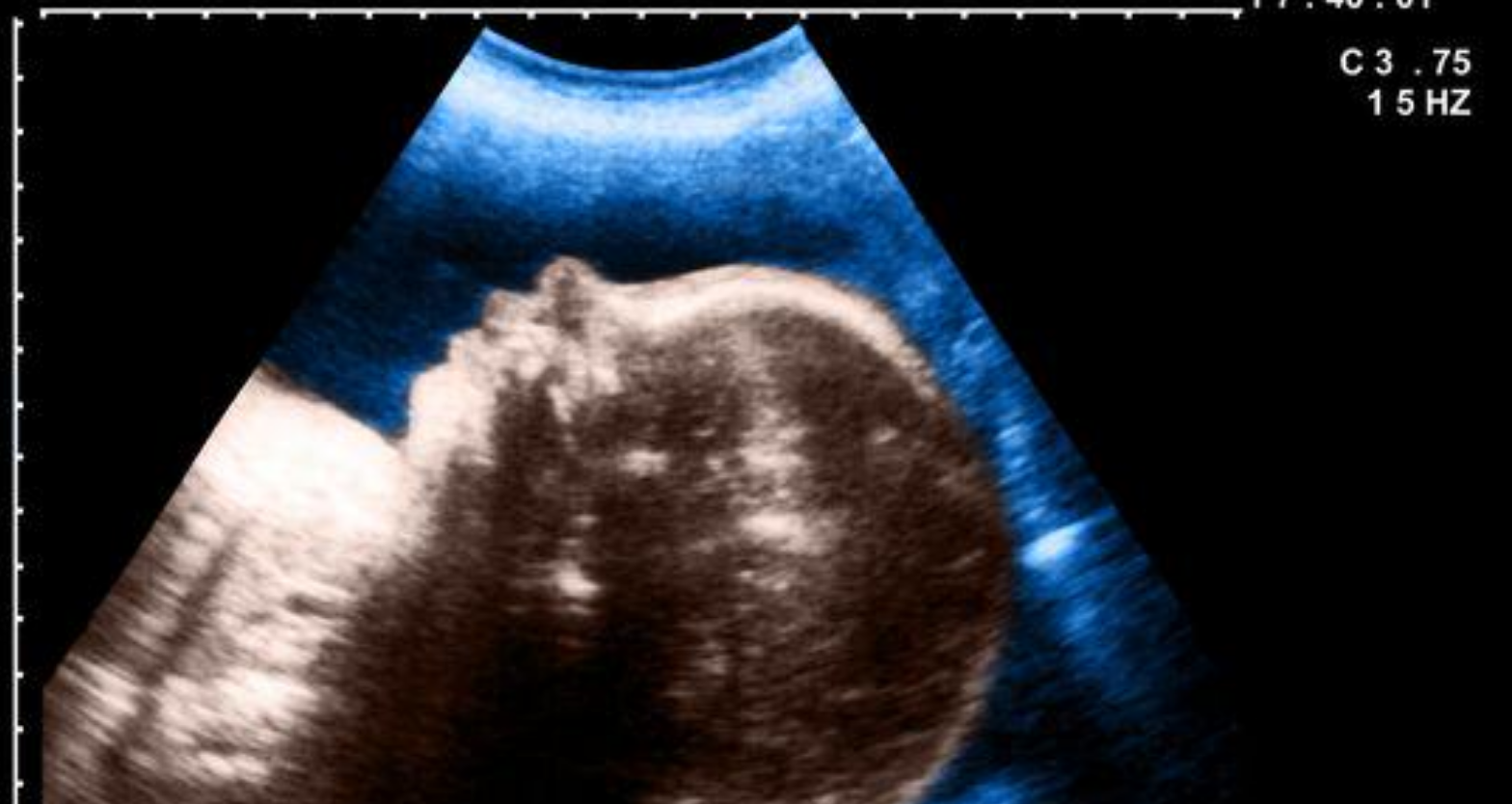
Since the mid-1970s, parents have been repeatedly told that prenatal ultrasound is “perfectly safe” during pregnancy because it is “just sound waves” and does not use ionizing radiation. Expectant mothers have been encouraged (and also pressured) by their care providers to undergo multiple ultrasound scans during pregnancy, as well as Doppler fetal heart monitoring, which is also ultrasound-based. Many babies born today have been exposed to ultrasound multiple times during gestation, and some of these children may have been exposed to ultrasonic fetal heart monitors for hours or even daysduring hospital birth. Yet this kind of extended exposure to ultrasound has been documented to cause fetal death[1] and ultrasound is being repeatedly linked to fetal demise.[2] [3] [4]
Despite medical assurances of safety, ultrasound is not just sound waves. In fact, it is non‑ionizing radiation, and many thousands of studies have confirmed that this type of radiation is harmful[5] [6] [7] to humans and other life forms.[8] [9] [10] All living things are in danger from exposure to technologies that emit non-ionizing radiation, and this includes technologies like cell phones,[11] [12] [13] cordless phones,[14] [15] wifi routers,[16] [17]baby monitors,[18] [19] [20] smart meters,[21] [22] [23] etc. Children, and especially developing babies in the womb, are at great risk from non-ionizing technologies, including ultrasound, since their brains and bodies absorb more radiation,[24] [25] and since their bone marrow absorbs up to 10x as much radiation as does that of adults.[26] [27]
On the FDA’s website in a section entitled “Radiation‑Emitting Products,” we are told that “ultrasound… is based on non-ionizing radiation, so it does not have the same risks as X-rays…” However, many dozens of studies have confirmed that ultrasound produces very similar biological damage to the damage caused by x-rays and other technologies that emit ionizing radiation.[28] [29] [30] For example, a study done in the early 1980s by Dr. Doreen Liebeskind, et al., found that a single exposure to ultrasound produced DNA damage similar to 250 chest x‑rays.[31] The genetic damage was permanent and heritable for ten generations and beyond.[32]
Ultrasonically-induced DNA damage is extremely well-documented and includes DNA fragmentation,[33] DNA shearing,[34] single and double stand breaks,[35] chromo-somal breaks and aberrations,[36] an increase in sister chromatid exchange,[37] [38] and even the complete deactivation of genetic material.[39]
DNA-damaged fetal cells can quickly replicate and multiply during cell division, leaving developing babies susceptible to mutated development, and/or cancerous tumors, leukemia, and other life-threatening illnesses over time. As with all forms of radiation damage, the effects of ultrasonic irradiation may not show up for several years, and herein lies the insidious nature of this technology. Since an ultrasound beam can penetrate deep into the body without showing any signs of damage on the skin, the children who are exposed to this radiation during gestation may appear normal at birth, yet the internal contents of their bodies have been cooked, scrambled, and severely disturbed by ultrasound, causing potential damage to blood, brain, bones, reproductive organs, heart, and more.
Ultrasound scans, and especially doppler fetal heart monitors, have been shown to cause extremely high levels of heating[40] [41] [42] which can lead to neurological defects,[43] spina bifida,[44] deformations in the head and brain,[45] heart irregularities and defects,[46] [47] and other serious biological harm. Ultrasound has been linked to fetal growth retardation in multiple studies,[48] [49] [50] and this may, in part, be due to restriction in bone growth caused by the bone absorbing radiation heat.[51]
Prenatal ultrasound is being linked to low birth weight,[52] fetal abnormalities,[53] miscarriage,[54] [55] preterm labor,[56] infertility,[57] heart defects,[58]autism,[59] [60] hearing loss,[61] speech problems,[62] leukemia,[63] etc.
Furthermore, the medical establishment has known, since at least 1955, that ultrasound interferes with fertility.[64] Ultrasound has been shown to have deleterious effects on the menstrual cycle,[65]induce premature ovulation,[66] cause problems with embryo implantation,[67] and trigger structural alterations in ovarian[68]and testicular tissue.[69] The latter may be contributing to the rising rates of genital defects we are seeing since the 1970s when ultrasound was first mainstreamed in obstetrics.
Ultrasound has been documented to permanently halt sperm production[70] and, in fact, the medical establishment is currently using ultrasound as a form of male contraception.[71] [72] Ultrasonic irradiation is being used to induce non-invasive vasectomies since it can literally “cook” the vas deferens of adult males and thereby block the tubes that deliver sperm to the penis.[73] Additionally, two 15‑minute blasts of ultrasound to the adult male scrotum ensures a minimum of six months infertility,[74] and infertility can be permanent.[75] If infertility is temporary, the quality of new sperm is in question, since ultrasound can cause genetic defects in sperm and contribute to the myriad new or de novo genetic mutations we are seeing in children today, including children with autism.
Moreover, if ultrasound can stop sperm production and cook the reproductive organs of adult men, what we do we suppose is happening to our developing babies when they direct that beam at the genitals to discover the sex of the child?
Infertility is skyrocketing in the U.S., with men now producing 60% less sperm than they did in 1975[76] (when ultrasound was mainstreamed in obstetrics). Female fertility is also in steep decline and the U.S. is currently experiencing its lowest birth rate ever recorded since 1909[77] when the government first began tracking fertility.
Radiation exposure in utero is no doubt playing a huge role in this terminal decline. Exposure to cell phones, cordless phones, baby monitors, etc., is also contributing to an existential fertility and genetic crisis, prompting British physicist, Barrie Trower, to predict that within 50-60 years, we are going to bear witness to a radiation-induced disaster that will leave only one in eight children healthy.[78]
Entire genetic bloodlines are at risk because of our addiction to radiation-emitting technologies, including ultrasound, and we are not the only species that is being harmed. It is imperative that we acknowledge the danger of what we are doing and put an end to this madness NOW. Not only do we need to return to sane technology that will not endanger our lives, but we also need to say NO to harmful medical interventions like ultrasonography so that we can protect ourselves and our children from further harm.
Based on the book, “The Dark Side of Prenatal Ultrasound and the Dangers of Non‑Ionizing Radiation – Part 1,” available at www.BirthofaNewEarth.com.
Jeanice Barcelo is a medical researcher and birth activist and the author of several books including “Birth Trauma and the Dark Side of Modern Medicine” and “The Dark Side of Prenatal Ultrasound and the Dangers of Non-Ionizing Radiation – Part 1.” To learn more about Jeanice’s work, please visit www.BirthofaNewEarth.com or www.RadiationDangers.com.
Source
ENDNOTES
[1] R. Shoji, et al., An Experimental Study on the Effect of Low-Intensity Ultrasound on Developing Mouse Embryos, J Faculty Science, 1971, Hokkaido University, Series VI, Zoology, Vol 18:51-56 and R. Shoji, et al., Experimental Studies on the Effect of Ultrasound on Mouse Embryos, Teratology, 1972, Vol 6: 119, and T. Shimizu, An Experimental Safety Study of Mice Exposed to Low Intensity Ultrasound, 1973, Abstract No. 61, p 18, presented at the 2nd World Congress on Ultrasonics in Medicine, No, 277, The Netherlands, Amsterdam, Excerpta Medica, and R. Shoji, et al., Influence of Low Intensity Ultrasonic Irradiation on Prenatal Development of Two Inbred Mouse Strains, Teratology, 1975, Vol 12:227-232.
[2] K.A. Curto, Early Postpartum Mortality Following Ultrasound Radiation, Division of Biological Effects, Bureau of Biological Health, Food and Drug Administration, Rockville, MD.
[3] M.R. Sikov, et al., Stage Dependence of Ultrasound-Induced Embryotoxicity in the Rat, IEEE Transactions on Ultrasonics, Ferroelectrics and Frequency Control, March 1986. Vol. UFFC-33(2).
[4] Saari-Kemppainen et al., Ultrasound screening and perinatal mortality: controlled trial of systematic one-stage screening in pregnancy, The Lancet, 1990, Vol. 336: 387–91
[5] Studies, JustProveIt.net, 2010.
[6] EMF Portal, https://www.emf-portal.org/en
[7] PowerWatch, https://www.powerwatch.org.uk/
[8] Reynard Loki, Our cellphone addiction is turning wireless tech into an invisible weapon that’s destroying wildlife, Salon.com, Jul 13, 2018. https://www.salon.com/2018/07/13/our-cellphone-addiction-is-turning-wireless-tech-into-an-invisible-weapon-that-is-destroying-wildlife_partner/
[9] Arthur Firstenberg, The Invisible Rainbow, 2017, AGB Press, Santa Fe, New Mexico, Chapter 16, citing Bienenvater, Issue No. 9, 2003 and F. Ruzicka, Shaden Durch Elektrosmog, Bienenwelt, 2003, Vol 10: 34-35.
[10] Erin Elizabeth, Hundreds of birds dead during 5G experiment in The Hague, The Netherlands, HealthNutNews.com, Nov 5, 2018. https://www.healthnutnews.com/hundreds-of-birds-dead-during-5g-experiment-in-the-hague-the-netherlands/
[11] L Hardell, et al., Case–control study on cellular and cordless phones and the risk for acoustic neuroma or meningioma in patients diagnosed 2000–2003, Neuroepidemiology, 2005, Vol 25: 120–128.
[12] G.N. De Iuliis, et al., Mobile phone radiation induces reactive oxygen species production and DNA damage in human spermatozoa in vitro, PLoS ONE, Jul 7 2009, Vol 4
[13] Pauline Anderson, Long-term Cell Phone Use Linked to Brain Tumor Risk, Medscape.com, November 13, 2014. http://www.medscape.com/viewarticle/834888
[14] D.L. Davis, et al., Swedish review strengthens grounds for concluding that radiation from cellular and cordless phones is a probable human carcinogen, Pathophysiology, Apr 2013, Vol. 20(2): 123-9. https://www.ncbi.nlm.nih.gov/pubmed/23664410
[15] Lloyd Burrell, Cordless Phones: Even More Dangerous Than Cell Phones?, ElectricSense.com, Jul 14, 2010. https://www.electricsense.com/815/cordless-phones-even-more-dangerous-than-cell-phones/
[16] Prof. Tom Butler, On the Clear Evidence of the Risks to Children from Smartphone and WiFi Radio Frequency Radiation, University College, Cork Ireland. https://www.gr3c.com/wp-content/uploads/2019/02/On-the-Clear-Evidence-of-the-Risks-to-Children-from-Smartphone-and-WiFi-Radio-Frequency-Radiation_Final.pdf
[17] Dr. Dietrich Klinghardt, Dr. Klinghardt’s Most Important Talk: “Exposure to Wifi & EMF’s – Root Cause of Health Problems”, Youtube.com, Aug 5, 2018. https://youtu.be/GvX1cv6V-PE
[18] Neil Cohen, Wireless Baby Monitor Radiation Measuring RF Radiation from Wireless Baby Monitor, EMF Safety Zone Youtube Channle, Nov 28, 2018. https://youtu.be/sXC-vOB9YdE
[19] Do Baby Monitors Emit Radiation?, RadiationHealthRisks.com, https://www.radiationhealthrisks.com/do-baby-monitors-emit-radiation/
[20] Sarah, Get Those Wireless Baby Monitors OUT of the Nursery!, TheHealthyHomeEconomist.com, July 12, 2017. https://thehealthyhomeeconomist.com/get-those-wireless-baby-monitors-out-of-the-nursery/
[21] Erin Elizabeth, Smart Meters: Countdown to a National Crisis of Illness and Death, HealthNutNews.com, Aug 7, 2017. https://www.healthnutnews.com/smart-meters-countdown-to-a-national-crisis-of-illness-and-death/
[22] Smart Meter Health Complaints, EMF Safety Network.
http://emfsafetynetwork.org/smart-meters/smart-meter-health-complaints/
[23] Lynne Wycherley, Smart meter radiation and health; why are we neglecting non-toxic alternatives? (Pt II), StopSmartMeters.org.uk, June 6, 2017. http://stopsmartmeters.org.uk/smart-meter-radiation-and-health-why-are-we-neglecting-non-toxic-alternatives-2/
[24] L. Lloyd Morgan, et al., Why children absorb more microwave radiation than adults: The consequences, Journal of Microscopy and Ultrastructure, Dec 2014, Vol 2(4): 197-204, https://www.sciencedirect.com/science/article/pii/S2213879X14000583
[25] J. Wiart, et al., Analysis of RF exposure in the head tissues of children and adults, Phys Med Biol, 2008, Vol 53(13) (2008):3681-3695
[26] A. Christ, et al., Age-dependent tissue-specific exposure of cell phone users, Phys Med Biol, 2020, Vol 55: 1767-1783
[27] Devra Davis, PhD., Cell Phones, Radiation & Your Child’s Health, HealthyChild.org, January 15, 2013, http://www.healthychild.org/cell-phones-radiation-your-childs-health/
[28] Earl H. Newcomer, et al., Chromosomal and Nuclear Aberrations Induced by Ultrasonic Vibrations, American Journal of Botany, February 1949, Volume 36(2), pp 230-236. https://www.jstor.org/stable/2437793
[29] M. Kato, Visible Mutation Induced in Drosphila by Ultrasonic Vibration, Bulletin of the Osaka Medical School, 1966, Vol. 12:114-188.
[30] M.R. Sikov, et al., Stage Dependence of Ultrasound-Induced Embryotoxicity in the Rat, IEEE Transactions on Ultrasonics, Ferroelectrics and Frequency Control, March 1986. Vol. UFFC-33(2).
[31] D. Liebeskind, et al., Morphological changes in the surface characteristics of cultured cells after exposure to diagnostic ultrasound, Radiology, Feb. 1981, 138(2):419-23. https://www.ncbi.nlm.nih.gov/pubmed/7455124
[32] D. Liebeskind, et al., Diagnostic Ultrasound: Time Lapse and Transmission Electron Microscopic Studies of Cells Isonated In Vitro, Br. J.Cancer, 1982, Vol. 45, Suppl. V, p. 176.
https://www.ncbi.nlm.nih.gov/pmc/articles/PMC2149293/pdf/brjcancersuppl00063-0185.pdf
[33] V. Garaj-Vrhovac, et al., Induction of Micronuclei in Human Lymphocytes After Occupational Exposure to Ultrasound, Chemosphere, 1999, Vol 39(15): 3541-3553, https://academia.edu/27098722/Induction_of_micronuclei_in_human_lymphocytes_after_occupational_exposure_to_ultrasound citing H. Galperin-Lemaitre, et al., Fragmentation of purified mammalian DNA molecules by ultrasound below human therapeutic doses, Humangenefik., 1975, Vol 29: 61-66 and T. Kondo, et al, Damage in DNA irradiated with 1.2 MHz ultrasound and its effect on template activity of DNA for RNA synthesis, Radiation Research, 1985, Vol 104: 284-292, and T. Kondo and G Yoshii, Effect of intensity of 1.2 MHz ultrasound on change in DNA synthesis of irradiated mouse L cells, Ultrasound in Medicine Biology,1985, Vol 11(l): 113-119, and V. Garaj-Vrhovac et al., Cytogenetic effects of occupational exposure to ultrasound: pilot study, In Abstracts of 2Sth annual meeting of EEMS, 1995; p 135, and D.L. Miller and R.M. Thomas, The role of cavitation in the induction of cellular DNA damage by ultrasound and lithotripter shock waves in vitro, Ultrasound in Medicine Biology,1996; 22(S): 681-687, and DL Miller et al, Comet assay reveals DNA strand breaks induced by ultrasonic cavitiation in vitro, Ultrasound in Medicine Biology, 1995, Vol 21(6): 841-848.
[34] John Thacker, The Possibility of Genetic Hazard from Ultrasonic Radiation, Current Topics in Radiation Research Quarterly, 8, 1973, pp 235-258.
[35] Rinko Kubota, et al., Double‐Strand Breaks in Genome‐Sized DNA Caused by Ultrasound, Chemphyschem, April 19, 2017, Vol 18(8): 959-964. https://ncbi.nlm.nih.gov/pmc/articles/PMC5413823/
[36] S.M. Morris, et al., Effect of Ultrasound on Human Leucocytes. Sister Chromatid Exchange Analysis, Ultrasound in Med & Biol, Vol 4: 253-258 citing I.J.C. MacIntosh, et al., Relationship between intensity of ultrasound and induction of chromosome aberrations, Br J Radiol, 1972, Vol 45: 320-327 and H. Galperin-Lemaitre, et al., Fragmetation of purified mammalian DNA molecules by ultrasound below human therapeutic doses, Humangenetick, 1975, Vol 29: 61-66.
[37] C.A. Ehlinger, et al., Diagnostic ultrasound increases sister chromatid exchange; preliminary report, Wisconsin Medical Journal, August 1981, Vol 80: 21-22.
[38] N. Ozawa, et al., Sister Chromatid Exchanges in Human Lymphocytes after Exposure to Pulse-Wave Ultrasound, Tohoku J Exp Med, 1984, Vol 143: 473-480.
[39] Dr. Peter Gariaev, as posted at A.K. Loskotová, Ultrazvuk poškozuje DNA, odhaluje studie / Doporučuji, Karolinaloskotova.blog.cz, Nov 13, 2018 as translated from Czech at google.translate.com.
https://karolinaloskotova.blog.cz/1811/ultrazvuk-poskozuje-dna-odhaluje-studie-doporucuji
[40] Zhi-Hong Zheng, MD, et al, Letter to the Editor – Neurosurgical Forum, Trigeminal neuralgia, J Neurosurg, 2015, Vol 123:289–296. http://thejns.org/doi/pdf/10.3171/2014.11.JNS142219
[41] Ultrasound dangers to the developing fetus. Part I, EMF Facts Consultancy, EMFFacts.com, August 6, 2009, citing a study done by Dr. Stan Barnett, Section Manager of the CSIRO’s National Measurement Laboratory’s Division of Radiophysics, and author of the 1994 report “Status of research on biological effects and safety of electromagnetic radiation: telecommunications frequencies.” https://www.emfacts.com/2006/08/534-ultrasound-dangers-to-the-developing-fetus/
[42] S.B. Barnett and G. Gossoff, Safety of Diagnostic Ultrasound, New York : The Parthenon Pub. Group, 1998. Also see S.B. Barnett, et al, The sensitivity of biological tissue to ultrasound, Ultrasound in Medicine and Biology, 1997, Vol 23(6): 805-812. https://www.sciencedirect.com/science/article/pii/S0301562997000276
[43] David Blake, Ultrasound: Autism, Agriculture, and a Future Tool for Treating Neurological Diseases, The University of New Carolina at Pembroke, undw.edu, https://uncw.edu/csurf/Explorations/documents/blakedavid.pdf citing S.B. Barnett, Intracranial temperature elevation from diagnostic ultrasound, Ultrasound in Medicine & Biology, 2001, Vol 27(7): 883-888.
[44] M.R. Sikov, at al., Effects of prenatal exposure to ultrasound, in Advances in the Study of Birth Defects: Teratological Testing, T.V.N. Persaud (ed), University Park Press, Baltimore, Maryland, 1979:267-291.
[45] Jim West, Ultrasound Causation for Microcephaly and Zika Virus, The Hypothesis (Part A), (Kindle Location 1224). harvoa. Kindle Edition. http://harvoa.org/chs/pr/dusbk2.htm
[46] E.N. Harvey, The Effect of High Frequency Sound Waves on Heart Muscle and other Irritable Tissues, Amer Jour Physiol, 1929, Vol 91: 284-290.
[47] M.R. Sikov, at al., Effects of prenatal exposure to ultrasound, in Advances in the Study of Birth Defects: Teratological Testing, T.V.N. Persaud (ed), University Park Press, Baltimore, Maryland, 1979: 267-291.
[48] H.D. Stewart, et al., 1985, citing E.L. Diamond, FDA Contract Report on Assessment of Ultrasound Exposure During Gestation and Neonatal Growth, FDA Contract No. 223-83-6023, John Hopkins University, February 1985.
[49] E.A. Lyons, et al., Followup study in children exposed to ultrasound in utero – analysis of height and weight in first six years of life, in Proceedings of 28th Annual Convention, American Institute of Ultrasound in Medicine, September 15-19, 1980, Volume 49. (Also see “Bioeffect brouhaha,” AIUM bioeffects panel discussion, in Diagnostic Imaging, December 1963, pp 60-63).
[50] R.M. Moore, Effects of sonic radiation on growth and development, Am J Epidemiology, 1982, Vol 116: 571.
[51] H. Shankar, et al., Potential Adverse Ultrasound-related Biological Effects: A Critical Review, Anesthesiology, November 2011, Vol 115: 1109-1124, http://anesthesiology.pubs.asahq.org/Article.aspx?articleid=1934478 citing C. Doody, et al, In vitro heating of human fetal vertebra by pulsed diagnostic ultrasound, Ultrasound Med Biol, 1999, Vol 25: 1289–1294, and J.L. Drewniak, et al., In vitro ultrasonic heating of fetal bone, J Acoust Soc Am, 1989, Vol 86: 1254–1258, and E.L. Carstensen, et al., Ultrasonic heating of the skull, J Acoust Soc Am, 1990, Vol 87: 1310–1317.
[52] J.S. Abramowicz, et al., Fetal Thermal Effects of Diagnostic Ultrasound, J Ultrasound Med 2008; Vol 27: 541–559. https://pdfs.semanticscholar.org/5f5e/59affe236100a436c0ff0878ab150b4b1fe2.pdf
[53] L.M. Kinnier Wilson, Obstetric Ultrasound and Childhood Malignancies, The Lancet, November 3, 1984 citing ME Stratmeyer, Research in Ultrasound Bioeffects: A Public Health View, Birth Fam J, 1980, Vol 7: 92-100.
[54] Saari-Kemppainen et al., Ultrasound screening and perinatal mortality: controlled trial of systematic one-stage screening in pregnancy, The Lancet, 1990, Vol 336:387–91.
[55] Alley Apple Tree, An Ultrasound (may have) Killed My Baby, Youtube.com, Dec. 17, 2014. https://youtu.be/fd8yhZRqFjI
[56] H.D. Stewart, et al., 1985, citing E.L. Diamond, FDA Contract Report on Assessment of Ultrasound Exposure During Gestation and Neonatal Growth, FDA Contract No. 223-83-6023, John Hopkins University, February 1985.
[57] Tiffany Keiser, Therapeutic Ultrasound Effectively Stops Sperm Production, Could be Used As Contraceptive for Men, DailyTech.com, January 30, 2012. http://www.dailytech.com/Therapeutic+Ultrasound+Effectively+Stops+Sperm+Production+Could+be+Used+As+Contraceptive+for+Men/article23890.htm
[58] M.R. Sikov, at al., Effects of prenatal exposure to ultrasound, in Advances in the Study of Birth Defects: Teratological Testing, T.V.N. Persaud (ed), University Park Press, Baltimore, Maryland, 1979:267-291.
[59] Ultrasound Autism Connection?, Ultrasound-Autism.org,http://www.ultrasound-autism.org/
[60] J.K. Grether, et al., Antenatal ultrasound and risk of autism spectrum disorders, J Autism Dev Disord, Feb 2010, Vol 40(2): 238-45 https://www.ncbi.nlm.nih.gov/pubmed/19728066 and S.B.C.
[61] Sarah, Prenatal Ultrasounds: A Risky Proposition, TheHealthyHomeEconomist.com. http://www.thehealthyhomeeconomist.com/prenatal-ultrasounds-risky-proposition/
[62] JD Campbell, et al., Case-control study of prenatal ultrasonography exposure in children with delayed speech, CMAJ, November 15, 1993, Vol 149(10): 1435-40. https://www.ncbi.nlm.nih.gov/pubmed/8221427
[63] Dr. Robert Mendelsohn, M.D., “Dr. Robert Mendelsohn on Pregnancy and the Dangers of Ultrasound,” From “Moments with Mendelsohn, A Presentation by Esther Thaler, Ultrasound and Pregnancy, “ http://youtu.be/YfaUQCp6L1s
[64] D. Kamocsay, Effects of Ultrasonics on the Testicles – Experimental Studies in White Rats, Arztliche Forschung, 1955, Vol. 9: 389-395
[65] Ultrasound from Conception to 10+0 Weeks of Gestation, Royal College of Obstetricians & Gynecologists, Scientific Impact Paper No. 49, March 2015, p 6. https://www.rcog.org.uk/globalassets/documents/guidelines/scientific-impact-papers/sip-49.pdf
[66] West, Jim. 50 Human Studies, in Utero, Conducted in Modern China, Indicate Extreme Risk for Prenatal Ultrasound: A New Bibliography (Kindle Locations 542-548). harvoa. Kindle Edition citing Zhuang Qing Song, Effects of Diagnostic Ultrasonic Wave on the Ultrastructures of the Human Fetus Testicles, 2008.
[67] E. Siegel, et al., Cellular attachment as a sensitive indicator of the effects of diagnostic ultrasound exposure on cultured human cells, Radiology, October 1979, 133(1):175-9, https://www.ncbi.nlm.nih.gov/pubmed/472288
[68] Diagnostic Ultrasound Imaging in Pregnancy, Report of a Consensus Development Conference Sponsored by the National Institute of Child Healthy and Human Development, the Office of Medical Applications of Research, the Division of Research Resources, and the Food and Drug Administration, February 6-8, 1984, National Institutes of Health, Bethesda, Maryland. U.S. Dep’t of Health and Human Services, Public Health Service, National Institutes of Health, NIH Publication No. 84-667, p 51
[69] W.D. O’Brien, et al., Morphological changes to mouse testicular tissue from in vivoultrasonic irradiation (preliminary report), Ultrasound in Medicine & Biology, 1979, Vol 5(1): 35-43. https://www.sciencedirect.com/science/article/pii/030156297990125X
[70] Tiffany Keiser, Therapeutic Ultrasound Effectively Stops Sperm Production, Could be Used As Contraceptive for Men, DailyTech.com, Jan 30, 2012. http://dailytech.com/Therapeutic+Ultrasound+Effectively+Stops+Sperm+Production+Could+be+Used+As+Contraceptive+for+Men/article23890.htm
[71] Ultrasound male contraceptive, overlooked for decades, confirmed to work, EurekaAlert.org, January 29, 2012. https://www.eurekalert.org/pub_releases/2012-01/mcip-umc012912.php
[72] Jennifer Welsh, Future Male Birth Control May Zap Sperm with Sound Waves, LiveScience.com, January 29, 2012.
[73] Having ‘the snip’ without the chop, News.BBC.co.uk, Jan 10, 2002. http://news.bbc.co.uk/2/hi/health/1751177.stm
[74] Tiffany Keiser, Therapeutic Ultrasound Effectively Stops Sperm Production, Could be Used As Contraceptive for Men, DailyTech.com, January 30, 2012. http://www.dailytech.com/Therapeutic+Ultrasound+Effectively+Stops+Sperm+Production+Could+be+Used+As+Contraceptive+for+Men/article23890.htm
[75] Elaine Lissner, “Ultrasound male contraceptive, overlooked for decades, confirmed to work,” January 29, 2012, http://www.eurekalert.org/pub_releases/2012-01/mcip-umc012912.php
[76] Doctors Shocked to Discover Sperm Counts in Western Men Plummeted Nearly 60%, TheAntiMedia.org, July 28, 2017. http://theantimedia.org/sperm-counts-western-men/
[77] Rachael Rettner, US Birth Rate Hits All-Time Low: What’s Behind the Decline?, LiveScience.com, May 17, 2018. https://www.livescience.com/62592-birth-rate-declines-2017.html
[78] Barrie Trower, 5G Gigantic health hazard – Dr Barrie Trower & Sir Julian Rose, Youtube.com, https://youtu.be/DLVIbPtNrVo
Subscribe to:
Posts (Atom)